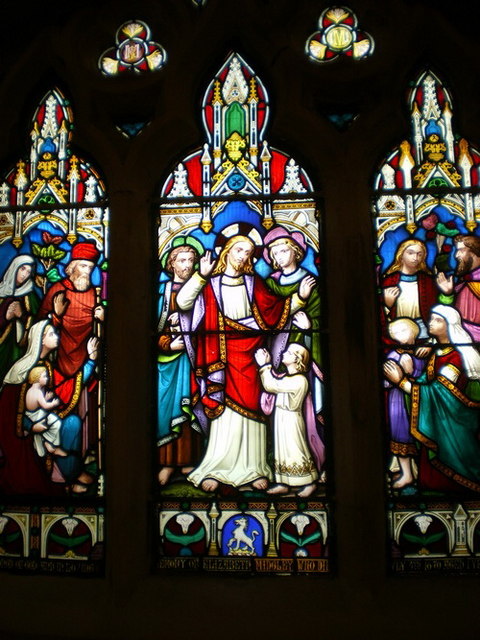
Jesus Christ, Whom You Have Sent

This is eternal life: that they may know You, the only true God, and Jesus Christ, whom You have sent.

John 17:3

This is one text taken from the prayer that Jesus offered to God on the night before He was crucified. The real need for people is to have eternal life. Many use the term being saved, but that term has some baggage. Eternal life is a gift given to believers by God Himself. That gift comes by knowing the only true God, and Jesus Christ.

There is a point often debated, “Did Jesus really say He was God?“

Yes. He certainly did.

The idea is clearly laid out in His Own words. As it is said, oftentimes the Pharisees lets us know when He does that. They took up stones to kill Him.

This eternal life is knowing God and Whom He sent… Jesus Christ. Back during Jesus’ ministry, there was one of those episodes where the Pharisees took up stones. It was then that Jesus said:

My Father and I are one.”

John 10:30

The Jewish leaders tell us exactly what Jesus said:

Again the Jews took up stones to stone Him. Jesus answered them, “I have shown you many good works from My Father. For which of those works do you stone Me?”
The Jews answered Him, “We are not stoning You for a good work, but for blasphemy, and because You, being a Man, claim to be God.”

John 10:31–33

The Pharisees have verified Jesus’ saying He is God. Look back up to the introductory text from John 17. Keeping that in mind, I want to consider other ways that plainly show Jesus as God. To know God is to know Jesus, Whom He sent and it is to have eternal life.

Jesus often used words that echoed those expressed in the Tanakh. I know that might be shocking. Yet Jesus knows the words of the prophets, and He knows the writings of Isaiah.

Listen to Me, O Jacob
and Israel, whom I called:
I am He;
I am the First, and I am the Last.
My hand also has laid the foundation of the earth,
and My right hand has spanned the heavens;
when I call to them,
they stand up together.
Assemble, all of you, and listen.
Who among them has declared these things?
The Lord has loved him;
he will do His pleasure on Babylon,
and His arm shall be against the Chaldeans.
I, even I, have spoken,
and I have called him;
I have brought him,
and his way will prosper.
Come near to Me, hear this:
I have not spoken in secret from the beginning;
from the time that it was, there I am.
And now the Lord God has sent me
and His Spirit.

Isaiah 48:12-16

Already, it may be clear to see some familiar phrases that we know are applied elsewhere to Jesus. I will start with the first, “I am He.” Jesus said that.

Therefore I said to you that you will die in your sins. For unless you believe that I am He, you will die in your sins.”

John 8:24

In the context of this passage, Jesus is speaking of the Father Whom the Jewish folk know as God. The text is clear, that unless one believes “I am He,” they do not have eternal life. For clarity, those that do not have eternal life will perish in their sins. Jesus is unequivocally saying, that one cannot have eternal life unless that person believes He is God.

The next has many witnesses. Here is the first…

I was in the Spirit on the Lord’s Day, and I heard behind me a great voice like a trumpet, saying, “I am the Alpha and the Omega, the First and the Last,” and “What you see, write in a book, and send it to the seven churches which are in Asia: to Ephesus, Smyrna, Pergamum, Thyatira, Sardis, Philadelphia, and Laodicea.”

Revelation 1:10–11

While in exile, the apostle John is caught up in a vision where he meets God. God calls Himself Alpha and Omega, the First and the Last. Most know that this Person is Jesus Christ.

Part of the reason for this post comes from a conversation over whether Jesus is now God. He is, but the protagonist in the conversation believes Jesus was God and is not now because of His location at the right hand of God. I get that these types of discussions are difficult for our minds to comprehend. God is like no other. That is why, there are none like Him. We have no frame of reference except what He says of Himself. It then becomes important to understand Him as He reveals Himself.

We know Jesus is Alpha and Omega. He offers something else about His identity. These are the key things to remember.

When I saw Him, I fell at His feet as though I were dead. Then He laid His right hand on me, saying to me, “Do not be afraid. I am the First and the Last. I am He who lives, though I was dead. Look! I am alive forevermore. Amen. And I have the keys of Hades and of Death.

Revelation 1:17–18

This Person addressing John says, “(T)hough I was dead, Look! I am alive forevermore.” This is an indicator to identity. He identifies Himself again as First and Last. Putting both together with He died and rose again, there is only One Person that matches. It is Jesus.

Which leads to another objection that my protagonist scoffs at. He denies the idea that God has died. Clearly, Jesus as God says He died and lives forevermore.

There is one more witness from Revelation to examine.

“Look, I am coming soon! My reward is with Me to give to each one according to his work. I am the Alpha and the Omega, the Beginning and the End, the First and the Last.”

Revelation 22:12–13

Once again, this Person identifies Himself as Alpha and Omega, Beginning and End, First and Last. It has already been established Who is speaking. Yet another witness to identity is this One is coming again. We know the One Who returning to Earth again is Jesus Christ!

Back in the passage of Isaiah 48 above, it says I am He, the First and Last. From the context, Jehovah is being spoken of in third person. Yet clearly the One narrating is God. Israelis in the day would know this well. They were very familiar with the Tanakh. Note, when connected from Isaiah to the Gospel of John and then Revelation, the idea coalesces. It is clearly conveyed that when Jesus says “I am He,” He is saying He is God.

But as it is in the Bible, things get a bit blurry…

Come near to Me, hear this:
I have not spoken in secret from the beginning;
from the time that it was, there I am.
And now the Lord God has sent me
and His Spirit.

Isaiah 48:16

This is the same invitation from Jesus in the New Testament. The God of the Tanakh is the same God that Jesus is. And He is this same God that sent Jesus Christ. Keep in mind, the same God that sent Jesus is the First and the Last.

In my mind, it seems there can only be One Who identifies as Alpha and Omega, the First and the Last. The phrase leaves no room for others. That’s God and He is Jesus.

Jesus is not-so-secretly declaring that He is Jehovah. That same Jehovah Who sent Him!

This testimony of the Alpha and the Omega in the last book of the Bible connects it to one of those books in the rough middle of It, Isaiah. The text seems to draw the reader to closely examine the beginning. It is there that yet another witness identifies that Jesus is indeed Jehovah God.

All things were created through Him, and without Him nothing was created that was created.

John 1:3

John testifies that all things were created by Jesus. And God testifies in Isaiah that He spoke very clearly from the beginning. What does that mean?

Well, if all things that were created were created by Jesus… Jesus is not created. Which means He is the One Who created all things. Once again, in my mind that leaves no room for another creator.

Thus says the Lord,
the Holy One of Israel and his Maker:
Ask Me of things to come
concerning My sons,
and you shall commit to Me the work of My hands.
I have made the earth
and created man on it.
I, even My hands, have stretched out the heavens,
and I have ordained all their host.
I have raised him up in righteousness,
and I will direct all his ways;
he shall build My city,
and he shall let My captives go,
neither for price nor reward,
says the Lord of Hosts.

Isaiah 45:11-13

Thus says Jehovah, that is the Tetragrammaton (YHWH) translated as Lord. He testifies He has made the Earth. All this was spoken by the Lord of Hosts (Jehovah of Hosts.) That’s the military title of Jesus Christ. He is Jesus, the Son of God, and He is God.

It is like everything is pointing to the beginning. It might just be beneficial to check it out.

In the beginning God created the heavens and the earth.

Genesis 1:1

I assume most are familiar with this verse. What many may not know are the not-so-secret things hidden just behind the translation into English. Here is the verse in transliterated Hebrew.

Bereshit bara Elohim et hashamayim ve’et ha’aretz

I tend to be a bit nerdy. I’m no Hebrew scholar. But I’m certain many see the word Elohim. It is well known as one of the names of God.

It is that two-letter word et, which is not translated into any English Bibles. There is much controversy over what the ‘word’ means. I am one that does not think it is a word, but is more of am identifying signature.

See, that two-letter et, in the Hebrew alphabet is also two letters, those being the aleph and the tav. The significance of those two letters is like the signature. It is as if it is literally saying, “In the beginning created God Aleph-Tav.”

The aleph is the first letter of the Hebrew alphabet. The tav is the last letter. Has God spoken not in secret from the beginning?

Yes!

Jesus the Son, is the Creator God. The same Elohim Aleph-Tav Alpha-Omega Who spoke creation to be. The same God Who died and lives forevermore!

You Shall Call Me, My Father

John 5:16–18 (MEV): So the Jews persecuted Jesus and sought to kill Him, because He had done these things on the Sabbath day. Jesus answered them, “My Father is working still, and I am working.” So the Jews sought even more to kill Him, because He not only had broken the Sabbath, but also said that God was His Father, making Himself equal with God.

My Father… Those two words seem to have really set the conspiracy in motion. They were like gasoline on a fire. This is not the first time that John records Jesus using this intimate reference to the Most High God.

Previously in John 2:16, Jesus cleared the temple of money changers and referenced “My Father’s house.” Perhaps in the frenzy, the intimacy was overlooked.

This phrase struck me as interesting, considering the intimacy at a time when God was perceived as distant from Israel. When I checked it out, I think of it a different way. It wasn’t the Father that was distanced from Israel. Israel had placed themselves at considerable distance from the Father. It turns out they missed many things. This one is overwhelming.

Jeremiah 3:14–18 (MEV): Return, O backsliding sons, says the Lord. For I am married to you. And I will take you, one from a city and two from a family, and I will bring you to Zion. And I will give you shepherds according to My heart, who shall feed you with knowledge and understanding. It shall come to pass when you are multiplied and increased in the land in those days, says the Lord, they will say no more, “The ark of the covenant of the Lord.” And it will not come to mind, nor will they remember it, nor will they call for it, nor will it be made any more. At that time they will call Jerusalem, the Throne of the Lord, and all the nations will be gathered to it, to Jerusalem, for the name of the Lord; nor will they walk any more after the stubbornness of their evil hearts. In those days the house of Judah will walk with the house of Israel, and they will come together out of the land of the north to the land that I have given to your fathers for an inheritance.

Jeremiah is prophesying of a future unification of Judah and Israel. It’s a reference to when God fulfills the promises He made to Israel. It is what we would call the end days.

He speaks of peace and the restoration of the Davidic kingdom. It is to be a time of unprecedented peace and prosperity. And it was set right before them.

Jeremiah 3:19 (MEV): But I said: How can I put you among My sons and give you a pleasant land, the most beautiful heritage of the nations?
And I said: You shall call Me, My Father, and shall not turn away from Me.

Some students of the Bible understand that Jesus is called Israel. And in a way, He was doing the same pattern established in prophecy. It was another of those bona fides He gave to us to tell us Who He is. Of course, the religious folk of the day let us know that, too.

You shall call me, My Father.

My version of preference showed exactly the reference being to the Messiah by capitalizing “My.”

It is those details that are often overlooked.

Nevertheless, Jesus’ use of this intimate term ought to have been a sign that the restoration of the Kingdom was upon them. Instead, the nation set out to distance themselves considerably more further away from the Father, as if that could even be possible.

Even as Jesus bears the end of His ministry, and in great anguish… The intimacy continues. It is equivalent to the English word daddy. The repetition conveys importance.

Mark 14:36 (MEV): He said, “Abba, Father, all things are possible for You. Remove this cup from Me; yet not what I will, but what You will.”

Then Israel succeeded in killing the Anointed One, just as it was said He would be cut off. That set forth a delay in establishing the Kingdom physically to the nation. It also ushered in a time of judgment on Israel.

That judgement to them brought great blessing to Gentiles. These would be included in sharing the blessings and salvation of God to the world.

It’s that intimacy God wants with His people. Is the intimacy set Christian’s proclaim! He wanted that intimacy with them and with us. It is offered to anyone who wants it.

John 1:12–13 (MEV): Yet to all who received Him, He gave the power to become sons of God, to those who believed in His name, who were born not of blood, nor of the will of the flesh, nor of the will of man, but of God.

If you’ve read this far, that right of becoming a child of God is offered to you. Just ask Him.

Romans 8:14–17 (MEV): For as many as are led by the Spirit of God, these are the sons of God. For you have not received the spirit of slavery again to fear. But you have received the Spirit of adoption, by whom we cry, “Abba, Father.” The Spirit Himself bears witness with our spirits that we are the children of God, and if children, then heirs: heirs of God and joint-heirs with Christ, if indeed we suffer with Him, that we may also be glorified with Him.

This idea of adoption is so important. He wants you to be that intimate with Him.

Ask.

The First Miracle

On the third day there was a wedding in Cana of Galilee. The mother of Jesus was there. Both Jesus and His disciples were invited to the wedding. When the wine ran out, the mother of Jesus said to Him, “They have no wine.”
Jesus said to her, “Woman, what does this have to do with Me? My hour has not yet come.” His mother said to the servants, “Whatever He says to you, do it.” Six water pots made of stone were sitting there, used for ceremonial cleansing by the Jews, containing twenty to thirty gallons each.
Jesus said to them, “Fill the water pots with water.” And they filled them up to the brim.
Then He said to them, “Now draw some out, and take it to the master of the feast.”
And they took it. When the master of the feast tasted the water that had been turned into wine, and did not know where it came from (though the servants who drew the water knew), the master of the feast called the bridegroom, and he said to him, “Every man serves the good wine first, and after men have drunk freely, then the poor wine is served. But you have kept the good wine until now.”

John 2:1–10

I assume that all have read this in their Bible. I also assume many have heard it as part of a sermon or teaching. I post it for you as a quick reference and in case someone has not read it.

In the past, I have not paid any real particular attention to it. At least, not until I started reading Beautiful Outlaw by John Eldredge. This account was used to demonstrate the extravagant generosity of Jesus. I had not even considered that thought in the thinking part of my mind, but I guess it would lurk somewhere in the background. As the Spirit of God would have it, looking deeper into what happened at that wedding He revealed something I had not encountered anywhere else. Come with me and see.

The First Sign

This, the first of His signs, Jesus did in Cana of Galilee, and He revealed His glory, and His disciples believed in Him.

John 2:11

As John recounts in his Gospel what had happened, he closes this punctual account by saying it was the first of Jesus’ signs. This part of the narrative follows the calling of His first disciples. John’s intent is to promote belief in Jesus by telling of His words and the signs He did.

Jesus performed many other signs in the presence of His disciples, which are not written in this book. But these are written that you might believe that Jesus is the Christ, the Son of God, and that believing you may have life in His name.

John 20:30–31

When reading the Gospel of John, pay close attention to the unfolding revelation. He opens with a testimony of Who Jesus is that parallels and expounds on Genesis 1. Later, we encounter John the Baptizer and his ministry of preparing the world for Jesus. Like Elijah speaking truth, John the Baptizer testifies to the ministry of Jesus, just as the apostle John records.

The Lamb of God

The next day John saw Jesus coming toward him and said, “Look, the Lamb of God, who takes away the sin of the world. This is He of whom I said, ‘After me comes a Man who is preferred before me, for He was before me.’ I did not know Him, but for this reason I came baptizing with water: so that He might be revealed to Israel.”

John 1:29–31

The apostle John is unique in recording the words of John the Baptizer. “Behold the Lamb of God” that takes away sin. In a way, he points to this first sign at Cana, which then points to another sign.

Let’s go back to Cana.

On the third day there was a wedding in Cana of Galilee. The mother of Jesus was there. Both Jesus and His disciples were invited to the wedding. When the wine ran out, the mother of Jesus said to Him, “They have no wine.”

John 2:1–3

John recounts the first week of the ministry of Jesus. After being baptized and calling the first disciples, his small troupe is invited to a wedding. Already, we ought to pay attention to the timing mentioned. John is writing in retrospect, recording this decades after the events occurred. He has hindsight of the events in Jesus’ life, it is likely that there is something more to the phrase than just the narrative on the third day. It is something to keep in mind.

As we continue with the account, trouble arises when the open bar runs dry. Mary (Jesus’ mother) says that there is no more wine. There is then nothing left with which to continue the celebration.

A Mother Knows

Jesus said to her, “Woman, what does this have to do with Me? My hour has not yet come.”

John 2:4

This makes me smile. Not just what seems like abrupt language. What did she expect Him to do?

What did she know?

Even more intriguing… How did she know He could help?

I think the Bible helps us to know.

He will be great, and will be called the Son of the Highest. And the Lord God will give Him the throne of His father David, and He will reign over the house of Jacob forever. And of His kingdom there will be no end.”

Luke 1:32–33

Mary had a special briefing given by a messenger from God. She knew her Son. She knew He is the Anointed One, Son of the Most High. She knew He is forever King. I think she even knew Him as God, having command over material things.

Had He done miracles before this?

We are not given any information on that except for John’s telling us this is the first of His signs. It could be a small attestation when as a preteen, He remained behind at the temple and taught. It is something to consider.

What we can determine is that Mary knew Jesus could readily help in this situation. Jesus affirms this by His response to her. We take Jesus’ response to His mother as somewhat sharp. In the language at the time, it was a respectful address. Jesus is telling her that what concerns her doesn’t concern Him. He continues by letting her know to leave Him alone, His time has not yet come.

My Hour

This is the specific phrase used. It refers to a particular time. This is a reference that leads us to the culmination of Jesus’ earthly ministry. It points us to something future.

As John’s narrative unfolds, Jesus uses this word hour to point to a yet future time. He uses it in speaking with the woman at the well in John 4:21; 23. He uses it again to point to a future time period in John 5:25; 28. (The list continues: John 7:30, 8:20, 12:23; 27, 13:1, 16:32, & 17:1.) John explains the hour:

Now before the Passover Feast, Jesus knew that His hour had come to depart from this world to the Father. Having loved His own who were in the world, He loved them to the end.

John 13:1

In my opinion, from reading John’s Gospel, the hour refers to the time period that begins around Jesus’ death and stretches to His return to Earth and the Millennial Kingdom. The hour will be marked with resurrection, I would say multiple resurrections. Yet, I digress.

For the purpose of this sign, my hour refers to the cross as the beginning of it. John is exclusive in his extensive writing of the words and actions of Jesus in the period of time leading to the cross.

That Seeming Reluctance

Did you pick up on the reluctance Jesus demonstrated toward His mother?

Do you think it is significant as a parallel in His hour?

Then Jesus came with them to a place called Gethsemane and said to the disciples, “Sit here while I go and pray close by.” He took with Him Peter and the two sons of Zebedee and began to be sorrowful and troubled. Then He said to them, “My soul is very sorrowful, even to death. Wait here, and keep watch with Me.”
He went a little farther, and falling on His face, He prayed, “O My Father, if it is possible, let this cup pass from Me. Nevertheless, not as I will, but as You will.”

Matthew 26:36–39

It is not necessarily the same way, but I think the reluctance to do His mother’s will belies a very human emotional response. That emotion is amplified many times as demonstrated in His hour. In speaking with His Father, He wanted to find a way out. Nevertheless, as the Man, He honored His father by doing what His father wanted, just as He honored His mother’s will.

His mother said to the servants, “Whatever He says to you, do it.”

John 2:5

It is these few things that leads me to see some things that I think are hidden signs in this sign.

The Specifics

Six water pots made of stone were sitting there, used for ceremonial cleansing by the Jews, containing twenty to thirty gallons each.
Jesus said to them, “Fill the water pots with water.” And they filled them up to the brim.
Then He said to them, “Now draw some out, and take it to the master of the feast.”
And they took it. When the master of the feast tasted the water that had been turned into wine, and did not know where it came from (though the servants who drew the water knew), the master of the feast called the bridegroom, and he said to him, “Every man serves the good wine first, and after men have drunk freely, then the poor wine is served. But you have kept the good wine until now.”

John 2:6–10

Six water pots are filled to the brim. Each can hold a determinate amount of water. I’m not going to go through to the end.

The amount of wine that Jesus made would be the equivalent to 120 to 180 gallons. That is a lot of wine. The master says about the wine, that it is the good stuff and kept until now.

The Sign in the Sign

Consider the specific information given. There are six containers. It is considered by many scholars that six is the number of man. Seven is completion and the number of God, six is just short of that perfection. Humans were made on the sixth day. The number six here points to a human man.

Wine is considered the blood of the grape. Biblically, wine is often a representation of blood. We use the blood of the grape in the Lord’s Supper to remind us of the blood Jesus shed. The wine here ought to also remind us of the shed blood at the cross.

The containers being filled to the brim signify there is no more room for anything else. Think of sufficiency, as the blood of Jesus is sufficient, leaving no room for anything else. More important, had Jesus added something to change the chemical composition of the water, it would easily be detected by overflowing the brim.

Let us consider the quantity mentioned. The amount of wine that Jesus made would be the equivalent of 600 to 900 modern wine bottles. Again, that’s a lot of wine. Especially after the open bar has been emptied out. I don’t think it’s a far stretch to say that the amount of wine Jesus made was far more than sufficient to satisfy all of the guests. Weddings at this time lasted for days, even in the relative austerity the hosts would provide adequate provisions for the length of the celebration.

The wine Jesus made was also considered the best. Like the master of the feast said, the best is usually served first. In this account, the best is saved for last. The best speaks to the efficiency.

The Mediator of the New

This first earthly sign of Jesus was pointing to a future-fulfilling sign. The one when the Lamb of God would have His blood shed for the sins of humanity. It would be a Man. It would be a finite and sufficient amount. None more would be necessary. It would also be an efficient amount to more than satisfy the needs of all. And it would be better than all of the blood of animals shed for sins that came before.

Consider what another writer declares:

Then indeed, the first covenant had ordinances for divine services and an earthly sanctuary. A tabernacle was made. In the first part of the tabernacle, called the Holy Place, were the candlestick, the table, and the showbread. Behind the second veil was the second part of the tabernacle called the Most Holy Place, which contained the golden censer and the ark of the covenant overlaid with gold, containing the golden pot holding the manna, Aaron’s rod that budded, and the tablets of the covenant. Above the ark were the cherubim of glory overshadowing the mercy seat. Concerning these things we cannot now speak in detail.
Now when these things were thus ordained, the priests would regularly go into the first part, conducting the services of God. But only the high priest went into the second part once a year, not without blood, which he offered for himself and for the sins of the people, committed in ignorance. The Holy Spirit was signifying through this that the way into the Most Holy Place was not yet revealed, because the first part of the tabernacle was still standing. This is an illustration for the present time, showing that the gifts and sacrifices offered could not perfect the conscience of those who worshipped, since they are concerned only with foods and drinks, ceremonial cleansings, and fleshly ordinances imposed until the time of reformation. But Christ, when He came as a High Priest of the good things to come, by a greater and more perfect tabernacle, not made with hands, that is to say, not of this creation, neither by the blood of goats and calves, but by His own blood, He entered the Most Holy Place once for all, having obtained eternal redemption. For if the blood of bulls and goats, and the ashes of a heifer, sprinkling the unclean, sanctifies so that the flesh is purified, how much more shall the blood of Christ, who through the eternal Spirit offered Himself without blemish to God, cleanse your conscience from dead works to serve the living God?

Hebrews 9:1–14

There is no room for another.

For this reason He is the Mediator of a new covenant, since a death has occurred for the redemption of the sins that were committed under the first covenant, so that those who are called might receive the promise of eternal inheritance.

Hebrews 9:15

Knowing all of this, one can be assured beyond doubt, that the work of Jesus is sufficient and efficient to cleanse the conscience from sin for any that ask. The way to approach God is no longer veiled to anyone. Jesus’ blood, and only His blood alone, made the Way.

And just like at the wedding, there was no license for the attendees to be drunk. Jesus was not even concerned of that. There was more than enough for each invited guest to enjoy.

Invited Guests

Jesus and His troupe were among the invited guests at the wedding. As with the hosts of the wedding, God invites people to His wedding feast. Where is that invitation?

Jesus spoke to them again by parables, saying, “The kingdom of heaven is like a certain king who arranged a marriage for his son, and sent out his servants to call those who were invited to the wedding, but they would not come.
“Again, he sent out other servants, saying, ‘Tell those who are invited: See, I have prepared my supper. My oxen and fattened calves are killed, and everything is ready. Come to the wedding banquet.’
“But they made light of it and went their ways, one to his farm, another to his business; the rest took his servants, treated them spitefully, and killed them. When the king heard about it, he was angry. He sent in his army and destroyed those murderers and burned up their city.
“Then he said to his servants, ‘The wedding is ready, but those who were invited were not worthy. Go therefore to the streets, and invite to the wedding banquet as many as you find.’ So those servants went out into the streets and gathered together as many as they found, both bad and good. So the wedding hall was filled with guests.
“But when the king came in to see the guests, he saw a man who was not wearing wedding garments. 12 He said to him, ‘Friend, how did you get in here without wedding garments?’ And he was speechless.
“Then the king told the attendants, ‘Bind him hand and foot, take him away, and cast him into outer darkness, where there will be weeping and gnashing of teeth.’
“For many are called, but few are chosen.”

Matthew 22:1–14

I make the case that simply by being born of Adam’s race just as Jesus… You, like I am, are invited to the feast. God wanted you in His creation. It follows He wants you in His presence in heaven.

Being an invited guest, you can enter His presence anywhere at anytime. (Really, you’re already there because of that blood Jesus shed. And there is no place anyone can go to escape Him.) Just talk to Him.

He’s listening.

Sons of God in the New Testament

In the last post, we learned of the Divine Council and the members that comprise it as it is explained in the Tanakh. These are specifically called the sons of God. We also learned that the sons of God are angels.

As always, the Tanakh provides hints to a yet future reality. Such things are often labeled as prophecies. There is part of one from Daniel that lends itself as a perfect place of transition.

Daniel was given a panoramic vision of the future. Some minute detail was given and as we’ve witnessed in history, matches exactly. In that vision, there is a group of people called the wise. This seems to be a euphemism that applies to believers. The wise will instruct many, and be persecuted for what they do. This activity will continue until the end at the appointed time. It culminates here:

Those who are wise shall shine as the brightness of the expanse of heaven, and those who turn the many to righteousness as the stars forever and ever.

Daniel 12:3

Tuck this away as we move forward in our studies. Perhaps what is said might have a deeper meaning than it does now.

Son of God

Now let’s turn our focus onto the same term sons of God as written of in the New Testament. With it, our understanding is going to become even more refined.

We will begin in the first words of the New Testament. It is the first chapter of Matthew where he records a genealogy of Jesus, the Anointed One. He is the Seed of the woman that the fallen angels worked to stop. Matthew writes after the fact to establish the identity of Jesus as that Seed. The genealogy starts with Abraham and ends at Jesus through Joseph.

In like manner, Luke provides a similar genealogy of Jesus. One that differs from Matthew’s in many ways. It is found starting at Luke 3:23. Luke begins with Jesus and works His ancestors all the way back to Adam. It is how Luke describes Adam that is essential to understand.

who was the son of Enosh, who was the son of Seth, who was the son of Adam, who was the son of God.

Luke 3:38

Adam, the son of God, stands out as a contrast to what we know from the Tanakh. Luke calls Adam the son of God. It’s almost as if what is written in the Tanakh didn’t matter. Perhaps it is better understood as a clue to a new reality.

Back to the Beginning

In the beginning was the Word, and the Word was with God, and the Word was God. He was in the beginning with God. All things were created through Him, and without Him nothing was created that was created.

John 1:2–3

The introduction of Jesus in John’s Gospel contains many truths. Some are overt, in that Jesus is not a created being. Others are subtle, Jesus could not have been created because He is the One creating. The things that exist that are not God have been created by the Word, Jesus.

He is the image of the invisible God and the firstborn of every creature. For by Him all things were created that are in heaven and that are in earth, visible and invisible, whether they are thrones, or dominions, or principalities, or powers. All things were created by Him and for Him. He is before all things, and in Him all things hold together.

Colossians 1:15–17

Paul uses similar language to describe Jesus. He also tells us Jesus created spiritual beings. The Tanakh seems to use the word elohim as a catchall type for spirit being. At least, I understand it that way. Elohim are sons of God, and by the witness of the New Testament they are direct creations of God. Just as Adam is a direct creation of God. It’s not too difficult to think that the term son of God means one created by God. Can that be tested?

Born of God

He was in the world, and the world was created through Him, yet the world did not know Him. He came to His own, and His own people did not receive Him. Yet to all who received Him, He gave the power to become sons of God, to those who believed in His name, who were born not of blood, nor of the will of the flesh, nor of the will of man, but of God.

John 1:10–13

I love that text. It pretty much needs no other explanation. He came into the world, even to His own portion, the people He chose. He was rejected by those.

But… To any who received Jesus, these He gave authority to become sons of God. This was to those who believed, and are born of God. This is where the term born again has its foundation. A believer is reborn as a son of God.

It also occurs to me that the synoptic gospels (Matthew, Mark, and Luke) all use the first instance of Son of God as a title or descriptor of Jesus Christ. Luke (the Gentile) applies the same descriptor to Adam after applying it to Jesus. I think there is some highly technical meaning there, in that Jesus had to also be a Son of God like Adam.

John calls Him the unique Son of God. The term son of God couples Jesus and Adam.

John ventures from that applying the term not to Jesus, and not to Adam… But to born of God believers. Aren’t sons of God then direct creations of God?

New Creation

It’s the Bible that best explains the Bible. Angels and Adam are called sons of God. The trait they share is being direct creations of God. Believing humans have been given the right to become sons of God. Let the Spirit lead your mind ahead.

And He died for all, that those who live should not from now on live for themselves, but for Him who died for them and rose again.
So from now on we do not regard anyone according to the flesh. Yes, though we have known Christ according to the flesh, yet we do not regard Him as such from now on. Therefore, if any man is in Christ, he is a new creature. Old things have passed away. Look, all things have become new.

2 Corinthians 5:15–17

Paul brings us full circle. A born again believer is a new creation. The text I cited has the word creature. Other texts use new creation. The idea is the same. We are made new creations when we believe.

Therefore, a born again believer is a direct new creation of God. This satisfies the idea of meaning intrinsic to what a son of God is. And it answers both questions.

I don’t mean to exclude any of the ladies from this by the language used. My goal is to laser-focus the terms to avoid ambiguity. What God has given is open to all. Though the text is silent, Eve is also a daughter of God being directly created by Him from His son Adam.

Anyone who so desires to become a child of God can be one. Children of God, male and female, are newly born-direct creations.

New Heavens and New Earth

It is throughout the Bible that we learn the corruption of creation came through human doing, but not without seditious acts and interference by some of the sons of God. Certainly, we know that the members of the old Divine Council failed. Others did not procreate, yet failed in other ways. The ones that fell all failed God. They failed themselves. They failed creation itself. But that does not mean that God failed.

Interspersed through the Bible is the promise of renewal. The New Yesrament is not excluded from that. Creation is to be restored to the way God had originally intended it to be.

But, according to His promise, we are waiting for new heavens and a new earth, in which righteousness dwells.

2 Peter 3:13

That restoration is to happen at a particular appointed time.

Therefore repent and be converted, that your sins may be wiped away, that times of refreshing may come from the presence of the Lord, and that He may send the One who previously was preached to you, Jesus Christ, whom the heavens must receive until the time of restoring what God spoke through all His holy prophets since the world began.

Acts 3:19–21

It will be at the end of the age which Jesus spoke to in the Olivet Discourse (Matthew 24.) It is a recurring theme throughout the Scriptures.

The Appearance

Believers are new creations. Believers are sons of God. Paul gives us a glimpse into the future renewal of creation. But before that, he helps us to identify the sons of God. It is not only the fact of being led by the Spirit, but that we’ve received Him inside of us. This is the same language that is used throughout many passages as it pertains to being saved. It is a new birth and new creation with a new identity.

For as many as are led by the Spirit of God, these are the sons of God. For you have not received the spirit of slavery again to fear. But you have received the Spirit of adoption, by whom we cry, “Abba, Father.” The Spirit Himself bears witness with our spirits that we are the children of God, and if children, then heirs: heirs of God and joint-heirs with Christ, if indeed we suffer with Him, that we may also be glorified with Him.

Romans 8:14–17

The Holy Spirit is the Means of adoption. It is He that brings us into that intimate relationship of a father and his children. One in which we can know our Heavenly Father just as we know our own dads.

The eager expectation of the creation waits for the appearance of the sons of God. For the creation was subjected to futility, not willingly, but by the will of Him who subjected it, in hope that the creation itself also will be set free from its slavery to corruption into the glorious freedom of the children of God.

Romans 8:19–21

God has a plan. He subjected creation to futility. To use a scientific term, creation was subject to entropy. That is the tendency of things to devolve toward chaos. He did it with the hope that creation would be set free from that bondage. Not that He hoped in something, but it is for all of creation to look toward the certain freedom for now which it can only anticipate.

So, there seems to be a new Divine Council in the future. One that is to do things rightly. There will be a new group of regents set with the task to watch and judge creation.

What Shall We Be?

I know that the apostle John wrote that it has not been yet revealed what we will be, but John says we shall be like Him when He appears.

Beloved, now are we children of God, and it has not yet been revealed what we shall be. But we know that when He appears, we shall be like Him, for we shall see Him as He is.

1 John 3:2

That fascinates me that we do not know what we will be, as believers when that time comes… I think it is far beyond our imaginings. But these are some fantastically mind-blowing hints.

Concluding Thoughts

As always, when studying, so many connections come into the mind. I hope Daniel 12:3 has a bit of new meaning for you.

This whole series will culminate, I promise. What set out to be one post, then became three, then two plus two plus two. There will be one more additional post on proving a son of God before returning to the stars and angels.

Jesus Takes Away the Sins of the World

The next day John saw Jesus coming toward him and said, “Look, the Lamb of God, who takes away the sin of the world. This is He of whom I said, ‘After me comes a Man who is preferred before me, for He was before me.’ I did not know Him, but for this reason I came baptizing with water: so that He might be revealed to Israel.”

John 1:29–31 — Modern English Version (Thinline Edition.; Lake Mary, FL: Passio, 2014)

In his Gospel, John first introduces us to John the Baptist. John the Baptist then introduces us to Jesus.

The words that John uttered to and about Jesus reveal the truth. Jesus takes away the sins of the world.

Jesus does not take away some of the sins of the world, nor does He take away the sins of some of the world.

Jesus takes away the sins of the world… From Adam to the end.

Jesus as Stones

Coming to Him as to a living stone who is rejected by men, but chosen by God and precious, you also, as living stones, are being built up into a spiritual house as a holy priesthood to offer up spiritual sacrifices that are acceptable to God through Jesus Christ.

1 Peter 2:4–5 — Modern English Version (Thinline Edition.; Lake Mary, FL: Passio, 2014)

Peter presents Jesus in a metaphor using a series of stones. Beginning here, the worth of Jesus is going to be portrayed solidly (pun intended.) It will be in relation to some Old Testament passages he has in mind.

For also it is contained in the Scripture, “Look! I lay in Zion a chief cornerstone, elect, precious, and he who believes in Him shall never be put to shame.”
Therefore, to you who believe, He is precious. But to those who are disobedient, “The stone that the builders rejected has become the cornerstone,” and, “A stone of stumbling, and a rock of offense.”
They stumble because they are disobedient to the word, to which also they were appointed.

1 Peter 2:6–8 — Modern English Version (Thinline Edition.; Lake Mary, FL: Passio, 2014)

This is cited from Isaiah.

Therefore, thus says the Lord God: See, I lay in Zion a stone, a tested stone, a precious cornerstone, firmly placed; he who believes shall not act hastily.

Isaiah 28:16 — Modern English Version (Thinline Edition.; Lake Mary, FL: Passio, 2014)
Jesus is the living stone.

I lay in Zion a stone. Zion is the mountain where Jesus stands in Revelation 14 with the 144,000. But we must understand the importance of the usage of Zion. The contrast is not addressed directly by Peter. It is an underlying tension for sure.

But you have come to Mount Zion and to the city of the living God, the heavenly Jerusalem, and to an innumerable company of angels; to the general assembly and church of the firstborn, who are enrolled in heaven; to God, the Judge of all; and to the spirits of the righteous ones made perfect; and to Jesus, the Mediator of a new covenant; and to the sprinkled blood that speaks better than that of Abel.

Hebrews 12:22–24 — Modern English Version (Thinline Edition.; Lake Mary, FL: Passio, 2014)

Coming to Mount Zion is in contrast of coming to another mountain, Sinai.

These things are an allegory, for these are the two covenants. The one is from Mount Sinai, which gives birth to bondage; she is Hagar. Now this Hagar is Mount Sinai in Arabia, and represents the present Jerusalem, and is in bondage with her children. But the Jerusalem which is above is free, which is our mother.

Galatians 4:24–26 — Modern English Version (Thinline Edition.; Lake Mary, FL: Passio, 2014)

A stone lain in Zion must be living. It is this Living Stone, Jesus. He is the unmoving and unchanging Mediator of a new covenant. This is in sharp contrast to the other mountain of the old covenant, Sinai. That is the mountain that gave birth to bondage. The Living Stone in Zion sets us free by sprinkled blood. (Remember How Peter used that term previously.)

Jesus is the tested Stone. He is the One Who did as God asked all the way to the cross, enduring its shame for the joy set before Him.

Jesus is the corner stone.

No builder erects a structure without a cornerstone. It’s the same thought as the Hebrews passage alludes to, the church of the firstborn. The firstborn is Jesus He is the Creator of all. Without Him, nothing exists. Every living creature owes fealty to Him just for drawing breath.

In the beginning was the Word, and the Word was with God, and the Word was God. He was in the beginning with God. All things were created through Him, and without Him nothing was created that was created. In Him was life, and the life was the light of mankind.

John 1:2–4 — Modern English Version (Thinline Edition.; Lake Mary, FL: Passio, 2014)

He is worthy. He is precious.

Jesus is the rejected stone.

This idea comes from this passage.

The stone that the builders rejected has become the cornerstone.

Psalm 118:22 — Modern English Version (Thinline Edition.; Lake Mary, FL: Passio, 2014)

The psalmist is saying that a stone purposed for a particular purpose can become unwanted. In this case, the Jewish leaders rejected Jesus as their King. The Jewish people were chosen as God’s heritage. They were the ones purposed in the old covenant to make salvation known to the whole world. In that essence, these were the builders of the kingdom of God.

God chose Him for that purpose of being the foundation for salvation. Jesus was firmly placed as attested to us in the Scriptures. He is unmovable and He could not be conquered by rejection. In this case, death. This is a continuing theme from the first chapter.

Jesus is the stumbling stone.

Peter also cites this passage.

He shall become a sanctuary, but a stone of stumbling and a rock of offense to both the houses of Israel, and a trap and a snare to the inhabitants of Jerusalem.

Isaiah 8:4 — Modern English Version (Thinline Edition.; Lake Mary, FL: Passio, 2014)

Take the time to consider the truths of the Bible, that is to study its claims and test them. God says He will be found by those who seek Him. In that sense, the Stone lain becomes a sanctuary for those who take the time to seek Him.

But for the hasty, and the others who have ulterior motives, Jesus becomes a rock of offense. It is precisely because of Who He is that exposes such nefarious evil for what it is.

Though the people these Scriptures are taking to task were also appointed to the same word all are. They were to consider the revelation of the Jewish Scriptures carefully and expected to know Jesus when He came. In so doing, to believe in His mercies and be saved.

Mature by coming to Jesus.

He is the Living Stone of New Jerusalem, the firmly placed Cornerstone. For us who desire the pure milk of the word and to be like Him, He is a sanctuary. He is a place of rest from work.

To the builders, the ones working to make something for themselves, He is hastily rejected.

Foreordained Before Creation

He was foreordained before the creation of the world, but was revealed in these last times for you.

1 Peter 1:20 — Modern English Version (Thinline Edition.; Lake Mary, FL: Passio, 2014)

It’s important to think of it like I titled it. He was foreordained before creation. He wasn’t created or made. Just that Jesus being the Savior was set in place before the first creative act from God. Here is how it is written of in other places.

In the beginning was the Word, and the Word was with God, and the Word was God. He was in the beginning with God.

John 1:1–2 — Modern English Version (Thinline Edition.; Lake Mary, FL: Passio, 2014)

Paralleling the Genesis “In the beginning God,” we have John saying “In the beginning God.” This establishes that Jesus was already existent in the beginning. It also establishes Him as God. It’s just as Peter wrote.

But if those two verses are not compelling enough, John explains it further.

All things were created through Him, and without Him nothing was created that was created.

John 1:3 — Modern English Version (Thinline Edition.; Lake Mary, FL: Passio, 2014)

I love the simplicity of that sentence. Jesus is the Creator. He is not created. He was foreordained before creation. Without Him, nothing was created. He couldn’t have been created. No matter how you want to think of it.

Firstborn of every creature.

He is the image of the invisible God and the firstborn of every creature. For by Him all things were created that are in heaven and that are in earth, visible and invisible, whether they are thrones, or dominions, or principalities, or powers. All things were created by Him and for Him.

Colossians 1:15–16 — Modern English Version (Thinline Edition.; Lake Mary, FL: Passio, 2014)

We cannot see God. But Jesus is the image of Him. He is the One we can see. Paul uses the word “firstborn.” This is directly related to what Peter is saying. It was necessary for God to become part of creation to redeem it. He is born into it, as a Man… Jesus. For Him, all things were created by Him as foreordained.

Yet being firstborn is not about the order as we would think. The idea of firstborn (of every creature) is about the position, not when it happened. The order was previously established before creation.

I think the idea of being firstborn leads to some other thoughts. Especially when you consider His position as the last Adam. The first Adam wasn’t born. (I leave that for you to check out.)

He is before all things, and in Him all things hold together.

Colossians 1:17 — Modern English Version (Thinline Edition.; Lake Mary, FL: Passio, 2014)

You cannot live without Him. You might think you do, but that would be incorrect. (And you cannot have eternal life without Him either.)

That is His position as the Firstborn of every creature. Note the list Paul uses, too. Those thrones, dominions, principalities, and powers speak of creatures in other realms. Remember how Peter has said things into which angels desire to look. How does the Creator become part of the creation by being born into it?

(I am not trying to purposefully be new-age-y.)

Firstborn from the dead.

He is the head of the body, the church. He is the beginning, the firstborn from the dead, so that in all things He may have the preeminence. For it pleased the Father that in Him all fullness should dwell, and to reconcile all things to Himself by Him, having made peace through the blood of His cross, by Him, I say—whether they are things in earth, or things in heaven.

Colossians 1:18–20 — Modern English Version (Thinline Edition.; Lake Mary, FL: Passio, 2014)

In all things He has preeminence. He has made peace with His blood. That peace includes both heaven and earth, even though angels cannot be saved.

All of this was decided long before the spoke words “Let light be.”

It is important we understand Who He is. This has barely scratched the surface of the few Scriptures cited.

Was revealed in these last times.

In our previous interaction with 1 Peter, it is clear that verse 5 states that a salvation will be revealed in the last times. That is, someday yet future. Peter is writing also, that Jesus was revealed. Peter dated it the last times. That would mean the last times has included the days of Jesus’ ministry on Earth and after, up until now, even stretching yet future when the end of salvation will be revealed wholly.

This isn’t the only time Peter has explained this. In his preaching (Acts 2) on that Pentecost when the Holy Spirit came to believers, Peter cites the prophets who spoke of the last days. Just as he brought them into the conversation previously in this epistle.

For YOU.

This is personal. You betcha!

Through Him you believe in God who raised Him up from the dead and gave Him glory, so that your faith and hope might be in God.

1 Peter 1:21 — Modern English Version (Thinline Edition.; Lake Mary, FL: Passio, 2014)

Nobody can believe for you. Your mom cannot believe for you, and it is conferred to you. Christianity isn’t inherited. Nor is it given when you were baptized as a baby.

Perhaps this is the first time you may have encountered this Jesus. I get that. Peter is explaining Who He is. Peter told us what the Gospel truth is.

It is the very reason He came, and all of this was planned out. He was foreordained to our Savior. That you and I can spend eternity with God. You have that choice.

Acknowledge Jesus is Who He says He is and did what He said He did. That it is for you.

Believe it and that it is for you, wholly trusting Him to save you.

Confess it to Him now. Confess you have sinned and want to be forgiven and be reconciled to Him. It doesn’t need to be fancy, flowery, or religious. You can use your own words.

The Exact Imprint of His Nature

He is the brightness of His glory, the express image of Himself, and upholds all things by the word of His power.

Hebrews 1:3a — Modern English Version (Thinline Edition.; Lake Mary, FL: Passio, 2014)

This is his Jesus is introduced in this epistle. Like the previous post, there is much to consider here. But as to this express image, we know that is a conveyed representation of God. Another translation puts it this way.

He is the radiance of the glory of God and the exact imprint of his nature

Hebrews 1:3a — The Holy Bible: English Standard Version (Wheaton, IL: Crossway Bibles, 2016)

If we want to know what God is like, we only need to look to Jesus. As it is communicated to us, He embodies the nature of God. (I am not saying that He isn’t God, nor that He isn’t human. Only what is being offered in the text here.)

In the same way, the writer identifies that God is, he will also identify Jesus Himself as God. That is why it is important to understand, He is the exact imprint of His nature. He couldn’t be if He were any less than God.

He upholds all things by the word of His power. The Greek rhēma is here translated to word. It conveys the idea of something spoken. Not just the words spoken, but the ideas conveyed.

The idea that all things are sustained by the word is stunning. We know in Romans 1, the apostle Paul shows us that. He also tells us that all understand this revelation.

For what may be known about God is clear to them since God has shown it to them. The invisible things about Him—His eternal power and deity—have been clearly seen since the creation of the world and are understood by the things that are made, so that they are without excuse.

Romans 1:19–20 — Modern English Version (Thinline Edition.; Lake Mary, FL: Passio, 2014)

In the way Jesus sustains all things by His spoken word, there is a clear revelation that is communicated. If one were to continue reading in Romans, the idea that some can deny this is a result of the suppression of truth by sin.

In like fashion, John introduces Jesus in much the same way.

All things were created through Him, and without Him nothing was created that was created.

John 1:3 — Modern English Version (Thinline Edition.; Lake Mary, FL: Passio, 2014)

It might be tempting to connect this by the usage of word. It won’t work in that sense. These are two different Greek words. In John’s Gospel, the Greek Logos is translated as Word. Yet, it is used as another name for Jesus.

Think of it this way. Jesus upholds all things by His word. He spoke creation into existence and upholds it all in the same way. We understand this by Hebrews 1:2, “through whom He made the world.” When we consider what John offers in His Gospel as He introduces Jesus, we know the Word isn’t created. The only logical conclusion is He is eternal, existing as God before time. (John uses that personal masculine pronoun to show this Word to be a Person.) Remember, even time was created.

This Word, this Jesus, has spoken to us in the time of His ministry on Earth. Spoken to us as the exacting revelation of God Himself. He made all things and sustains all things. The creation reveals God and His nature. Jesus, too, is the spoken word of God to us. He is the revelation to us of God Himself!

He is God Himself.

The Olivet Discourse: Introduction

This is an introduction to my own attempt to discover the similarities and distinctions of the presentation of the Olivet Discourse (first post) as given in the synoptic gospels. The Synoptic Gospels are Matthew, Mark, and Luke, as they present themselves similarly in the things they record of Jesus’ ministry on Earth.

The first thing to keep in mind is the distinctiveness of the authors as different people with differing mindsets. Each also had a distinct audience in mind. So, it can be said that each Gospel has a distinct purpose for a distinct audience. One sees this intent recorded by the selective events each author chooses to include, and how they are related to the audience.

Matthew

Matthew’s Gospel is intended to speak to the Israeli, a person who is familiar with the Old Testament. Matthew details the prophecies recorded in the Old Testament that characterize Israel’s Messiah, and how these are fulfilled in Jesus Christ. Therefore, Jesus is portrayed as that Messiah, the King of the Israelis. This is evidenced from the outset, as his gospel opens with the genealogy of Jesus, which would be of utmost importance to an Israeli. Especially as it relates to the Messiah, the Son of David.

The book of the genealogy of Jesus Christ, the Son of David, the son of Abraham:

Matthew 1:1 — Modern English Version (Thinline Edition.; Lake Mary, FL: Passio, 2014)

Herein, one sees that Jesus is the rightful heir to the kingdom of David. It is the opening of the book that establishes the credentials of Jesus as that heir. The promises of the Messiah from the Old Testament are fulfilled in Jesus Christ, beginning with His family tree.

Sum it up this way, Matthew is written to Israelis and is for Israelis.

Mark

Mark is not written to the Israeli or even to those familiar with the Old Testament. Instead, his audience is those people who understand power and authority. That is, those citizens and leaders in the Roman Empire. These folks would be unfamiliar with Judaism and the promises of the Messiah. Mark does not start with the birth of Jesus. He doesn’t start with Jesus’ credentials.

The beginning of the gospel of Jesus Christ, the Son of God. As it is written in the Prophets:
“Look, I am sending My messenger before Your face, who will prepare Your way before You.”
“The voice of one crying in the wilderness: ‘Prepare the way of the Lord, make His paths straight.'”

Mark 1:1–3 — Modern English Version (Thinline Edition.; Lake Mary, FL: Passio, 2014)

He starts with activities for people who understand action. Here is Jesus, the servant of the Lord sent by God to do what God has sent Him to do. With the emphasis on doing, Jesus did what was asked of Him. Because this book records the actions of Jesus, it records more of Jesus’ miracles than does Matthew, Luke, or John.

Mark is summed up as written to the Roman and the authorities in Rome.

Luke

Luke wanted to appeal to intellectuality. The Greeks of Luke’s day were of the intellectual mindset, loving art, philosophy, and literature. It is with that intent that the humanity of Jesus is emphasized. He is like any other human. Yet, He is not, as He is the perfection of humanity. And Luke would give an orderly account.

Whereas many have undertaken to write a narrative of those things which are most surely believed among us, just as they were handed down to us by those who from the beginning were eyewitnesses and ministers of the word, it seemed good to me also, having accurately investigated all things from the very beginning, to write to you an orderly account, most excellent Theophilus, that you might know the certainty of the things which you have been told.

Luke 1:1–4 — Modern English Version (Thinline Edition.; Lake Mary, FL: Passio, 2014)

One can trust that what Luke wrote is an orderly account. It is not the writings of an eyewitness, but as an investigator who has collected and recorded others’ eyewitness testimonies. The humanity of Jesus is emphasized by the focus of events that demonstrate that. Luke’s gospel relates to the reader a very human Jesus.

Luke is summed up as written to the Greek.

John

John was an eyewitness to the life of Jesus. The things recorded are for the purpose of establishing Jesus as the eternal God who became a man.

In the beginning was the Word, and the Word was with God, and the Word was God. He was in the beginning with God. All things were created through Him, and without Him nothing was created that was created.

John 1:1–3 — Modern English Version (Thinline Edition.; Lake Mary, FL: Passio, 2014)

From the very opening words, Jesus is presented as the Creator – God. John intends the reader to believe. The book is written with that purpose.

Jesus performed many other signs in the presence of His disciples, which are not written in this book. But these are written that you might believe that Jesus is the Christ, the Son of God, and that believing you may have life in His name.

John 20:31–32 — Modern English Version (Thinline Edition.; Lake Mary, FL: Passio, 2014)

John stated he is selective in what he has recorded. His goal is personal, it is for the reader to believe.

John writes to believers.

A Point to Consider

With these things in mind, the first point I would like to ponder is that the gospel of John has no recording of the Olivet Discourse. Of course, I understand that the Bible is given to us with a framework of design. Therefore, we must also consider certain points of silence. It is this one that I want to consider and challenge my own thinking.

Maybe, John didn’t record the Olivet Discourse because it wasn’t intended for believers, specifically church-age believers. Let me explain. We have it recorded by three folks who were not eyewitnesses. It is recorded in differing ways, with different ideas emphasized. Given the inherent audiences of the gospels, perhaps the ideas written in the discourse in the Synoptics would be for the unbelieving Israeli, those who love action and authority, and the intellectual. All of which would be unbelievers, given that John’s gospel is written for believers. John’s gospel would exclude such ideas as the church-age believers wouldn’t be present.

Could that hint to church-age believers being removed before these things happen?

The Lord Who Created the Heavens is the Servant

Thus says God the Lord,
who created the heavens and stretched them out,
who spread forth the earth and that which comes out of it,
who gives breath to the people on it,
and spirit to those who walk in it:
I the Lord have called You in righteousness,
and will hold Your hand,
and will keep You and appoint You
for a covenant of the people,
for a light of the nations,
to open the blind eyes,
to bring out the prisoners from the prison,
and those who sit in darkness out of the prison house.
I am the Lord, that is My name;
and My glory I will not give to another,
nor My praise to graven images.
See, the former things have come to pass,
and new things I declare;
before they spring forth
I tell you of them.

Isaiah 42:5–9 — Modern English Version (Thinline Edition.; Lake Mary, FL: Passio, 2014)

Thus says God the Lord

We don’t take His words lightly. When God makes a pronouncement, it’s important. God is identifying Himself as the Creator. The One Who made all things.
Remember the verses that come before this. They are a proclamation of the coming Servant, Messiah.

Who Created the Heavens

Creator is a unique identifier of God. He made the heavens. He had no help.

That’s the first declaration of the Bible for a reason. It is the foundation for all of reality. That is why God calls attention to these simple truths repeatedly. God is, and He made the heavens and the Earth.

In the beginning God created the heavens and the earth.

Genesis 1:1 — Modern English Version (Thinline Edition.; Lake Mary, FL: Passio, 2014)

And Stretched them Out

Long ago, there was a Servant of God named Job. The important parts of his life are recorded for us. In them, we know Job knew God. Even in the midst of a great trial, his friends offered counsel on his situation. Job’s faith didn’t waver. He made a declaration about God to his friends. In it, there is an identity of God that I think is enlightening.

He who alone spreads out the heavens, and treads on the waves of the sea. He who makes the Bear, Orion, and Pleiades, and the constellations of the south.

Job 9:8–9 — Modern English Version (Thinline Edition.; Lake Mary, FL: Passio, 2014)

It is God alone Who spread out the heavens. It’s He Who makes the stars. The Psalmist agrees.

The heavens declare the glory of God, and the firmament shows His handiwork.

Psalm 19:1 — Modern English Version (Thinline Edition.; Lake Mary, FL: Passio, 2014)

It is His Handiwork

Bless the Lord, O my soul!
O Lord my God, You are very great!
You are clothed with honor and majesty,
covering Yourself with light as a garment,
who stretches out the heavens like a tent curtain,
who lays the upper beams of His chambers on the waters above,
who makes the clouds His chariot,
who rides upon the wings of the wind,
who makes His angels as winds,
His ministers a flaming fire.

Psalm 104:1–4 — Modern English Version (Thinline Edition.; Lake Mary, FL: Passio, 2014)

Though poetic, the language is telling us the heavens we created. They were made by God. They have a message for us. It is a testament of this great God Who would come to serve His creations made of dust.
Now, these last citations have referenced water and waves as a unique identifier in connection to this great God. The Psalmist includes another, He makes the clouds His chariot. This great God walks on water and has chariots of clouds.
To recap, we see the Servant in this prophecy would make advent. We are given many ways to identify this Chosen Servant. Now God chooses to identify Himself uniquely as Creator.

This Chosen Servant is the Creator

This Creator treads on the waves. We know Jesus walked on water. It is recorded in the Gospels for our edification, and to help us identify the Chosen Servant. The Gospels also identify the Servant as the Creator in many ways.

In the beginning was the Word, and the Word was with God, and the Word was God. He was in the beginning with God. All things were created through Him, and without Him nothing was created that was created. In Him was life, and the life was the light of mankind. The light shines in darkness, but the darkness has not overcome it.

John 1:2–5 — Modern English Version (Thinline Edition.; Lake Mary, FL: Passio, 2014)

There is layer upon layer of truths through the Scriptures. There are more crumbs that have fallen from the Master’s table for us.

The Cloud Rider

Let’s go to an episode toward the end of the Servant’s ministry on Earth. He has been arrested and is brought before the then High Priest of Israel. This is the one man who was assigned to intercede for Israel before God. One would think he would know the Scriptures that speak about God.
The priest demands succinctly, “I adjure You by the living God, tell us whether You are the Christ, the Son of God.”

Jesus said to him, “You have said so. But I say to you, hereafter you will see the Son of Man seated at the right hand of Power and coming on the clouds of heaven.”
Then the high priest tore his clothes, saying, “He has uttered blasphemy. What further need do we have for witnesses? See, now you have heard His blasphemy. What do you think?”

Matthew 26:64–66 — Modern English Version (Thinline Edition.; Lake Mary, FL: Passio, 2014)

Caiaphas knew Who Jesus claimed to be. He also knew from the other identifiers in the Old Testament, exactly those things exclusive to the Messiah.
Those same Scriptures also give us exclusive identifiers of the Great God. He treads on waves of the sea. This Man before him did that. This Man calls Himself publicly the Son of Man. Now He identifies Himself as this chariot-of-clouds riding God.

I saw in the night visions, and there was one like a Son of Man coming with the clouds of heaven. He came to the Ancient of Days and was presented before Him. There was given to Him dominion, and glory, and a kingdom, that all peoples, nations, and languages should serve Him. His dominion is an everlasting dominion, which shall not pass away, and His kingdom that which shall not be destroyed.

Daniel 7:13–14 — Modern English Version (Thinline Edition.; Lake Mary, FL: Passio, 2014)

This Chosen Servant is given an everlasting kingdom. This Servant is none other than God.

Of this Coming Servant… As Caiaphas asked, “What do you think?”